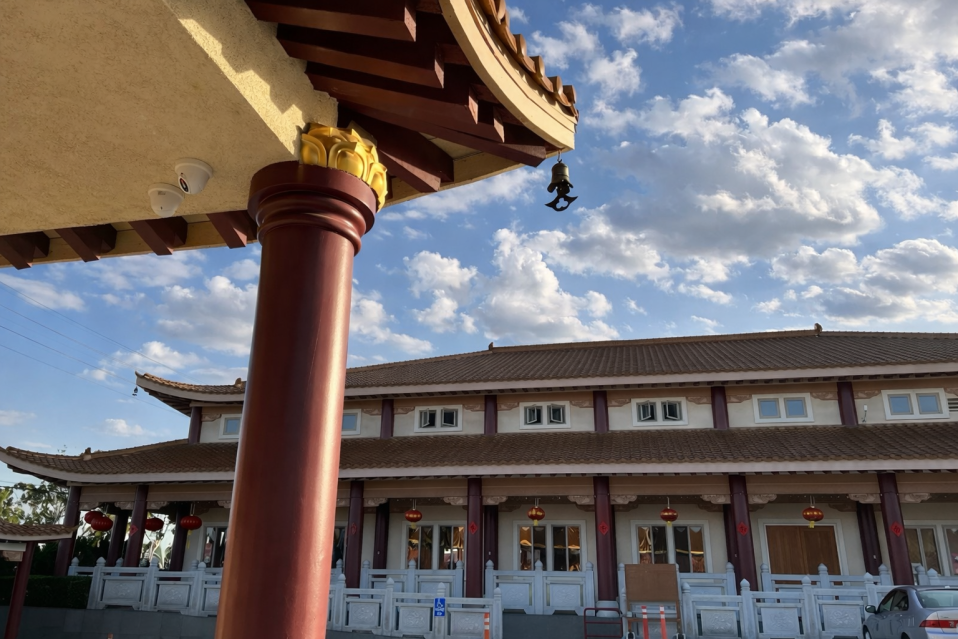

2025年溫哥華靈巖山寺在家戒會佛法分享
2025 Lay Precepts Transmission Ceremony at Dharma Sharing at Lingyen Mountain Temple (Canada)
題目:佛法是提升我們生命品質的唯一保證──宏正法師
Topic: Buddhadharma Is the Only Guarantee for Elevating the Quality of Our Lives, by Venerable Master Hong Zheng
我們必須要了解,我們修學佛法的根本目的,就是要提升自己的生命品質。這不僅僅一個理論或口號,它是一套可以通過實踐完成的系統性的「生命升級工程」。它並不是讓我們人類變成另一種存在,而是通過系統性的修學實踐來淨化我們的人格,昇華我們的品質,覺醒並圓滿我們本自具足的清淨覺性。
We must understand that the purpose of studying and practicing the Buddhadharma is to elevate the quality of our lives. This is not a slogan but a systematic path that upgrades life through practice. It does not turn us into something other than human; rather, it purifies character, cultivates virtue, and awakens the pure awareness already within us—bringing this innate potential to maturity.
第一, 學會做自己的主人
First: Learn to Be the Master of Yourself
First: Become the Master of Yourself
認清現狀:Recognize the Current State:
未修行時,我們的內心時常被外在環境和內在的情緒所主宰,本該是主人的我們卻成為了他們的奴僕,因此,順境則喜,逆境則憂,如同漂浮在大海中,隨浪起舞,不能自主。
Before engaging in spiritual practice, our mind is often ruled by external circumstances and internal emotions. We—who ought to be the masters of our own mind—end up serving these forces: joyful in ease and anxious in hardship, like someone adrift at sea, rising and falling with the waves and unable to steer our own course.
佛法提升:Elevation through the Dharma
樹立正見:通過禪修與正念訓練,我們學會「觀察」念頭和情緒(煩惱),而不是成為它們的奴僕,失去自我。佛法提供關於宇宙人生真相的智慧(四聖諦、無常、無我),讓我們看清世界的本質和生命的價值所在。這可以令我們喚醒自己的覺性,讓我們從被動反應轉向主動選擇。
Establishing Right View: Through meditation and mindfulness practice, we learn to “observe” our thoughts and emotions (afflictions) rather than be enslaved by them and lose ourselves. The dharma offers insight into the truths of life and the universe—the Four Noble Truths, impermanence, and non-self—so that we see reality clearly and discern life’s true value. In this way, we bring forth our inherent awakened awareness.
智慧抉擇,明確終極目標:基於因果法則(善因樂果,惡因苦果),我們能做出更明智、更長遠的決策,從而在根源上為自己創造安樂的條件。無論是追求現世安樂、究竟解脫還是成就佛果,佛法都提供了清晰的地圖和導航。這讓我們的生命有了明確的意義和方向。
Wise Discernment and a Clear Ultimate Aim: Grounded in the law of cause and effect—wholesome causes yield happiness; unwholesome causes bring suffering—we choose more wisely and plant the conditions for peace at the root. Whether we seek well-being in this life, ultimate liberation, or Buddhahood, the dharma provides a clear map and steady guidance, giving our lives clear meaning and direction.
第二, 捨棄凡夫心,成就佛陀品質
Second: Let Go of the Ordinary Mind; Cultivate the Qualities of a Buddha
什麼是凡夫心?凡夫心並非指我們所有的念頭,而是特指以 「我執」 為根所生起的一系列煩惱和染污心理。「在無盡輪迴中,推動我們流轉生死的動力正是凡夫心。它的基石便是無明,由此導致世間所有的煩惱,然後因煩惱而造業,在造業的過程中,凡夫心又得到滋養和增長,如此循環往復。」「在凡夫的世界中,一切都是凡夫心的作用:煩惱、我執、貪瞋癡,皆為凡夫心的顯現。」
What is the “ordinary mind”? It does not mean every thought we have; it refers specifically to defiled, afflictive states rooted in self-attachment. In the unending round of birth and death, what drives saṃsāra is precisely this ordinary mind: ignorance forms its ground; from ignorance arise afflictions; afflictions create karma; and the making of karma further feeds the ordinary mind—thus the cycle continues. For those not yet awakened, much of what we experience is the play of the ordinary mind—self-attachment and afflictions, including greed, anger, and ignorance, all manifesting from it.
「捨棄」不是壓抑,而是「轉化」與「超越」:是用智慧和覺照,看清煩惱的虛妄本質(其本性是空性的),從而讓它如雲霧般自然消散。如同燈光驅散黑暗,黑暗並未被「扔掉」,而是被光明所轉化。
Letting Go Is Not Suppression, but Transformation and Transcendence: Letting go is not repression. It is bringing wisdom and mindful awareness to see afflictions for what they are—empty and insubstantial. Seen clearly, they disperse on their own, like mist before the morning sun. As light dispels darkness, nothing is “thrown away”; darkness is simply transformed by illumination.
「成就」不是獲得,而是「顯發」本具的佛性:佛陀的品質(慈悲、智慧、力量)並非我們從外部獲得的新東西。我們的本心,即 「佛性」 或 「如來藏」 ,本身就已具足一切功德。修行只是去除覆蓋在明珠上的塵垢,讓它本有的光明自然顯露出來。
“Accomplishment” Is Not Acquisition, But Unfolding of Innate Buddha-Nature: Accomplishment Is Not Acquisition, but the Unfolding of Innate Buddha-Nature: Accomplishment is not gaining something new; it is the unfolding of what is already present. The Buddha’s qualities—compassion, wisdom, and strength—are not imported from outside. Our true mind—Buddha-nature, the Tathāgatagarbha—already contains all merit and virtue. Practice simply removes the dust that veils the luminous pearl, allowing its inherent radiance to appear of itself.
第三, 系統的實踐道路──三士道
A Systematic Path of Practice — The Three Levels of Spiritual Development
1、 下士道的修學 The Practice of the Lower Scope
下士道所注重的是追求人天善法,不是我們修學的終極目標,是為我們解脫和成佛(也就是中士道和上士道的基礎)服務的。因為我們的出離心以及菩提心都是以它為基礎。
The foundational scope emphasizes cultivating wholesome causes for fortunate rebirth among human and heavenly realms. It is not the ultimate aim of practice, but it lays the groundwork for liberation and Buddhahood—the intermediate and great scopes. From this basis arise renunciation and the resolve for bodhi (bodhicitta), guiding us step by step on the path of the dharma.
下士道的修學主要是:念死無常與念惡道苦;皈依三寶與深信業果
Key practices in the foundational scope include: contemplating death and impermanence; contemplating the sufferings of the lower realms; taking refuge in the Triple Gem; and deep conviction in karma and its results.
念死無常是為了讓我們認識到自己所執著的這個身體的脆弱性。念死必須認識這三點:
Contemplating death and impermanence helps us see the vulnerability of the body to which we cling. To contemplate death properly, keep these three essentials in mind:
一、 死亡是必定的;二、死期是不定的;三、死亡來臨時,除了佛法外,其餘一切都沒有任何益處。
Death is certain; its time uncertain; when it comes, nothing but the dharma truly benefits.
念三惡道之苦,是為了讓我們能對惡道生起怖畏之心,由此二不敢造作墮落之惡業,從而會主動尋求擺脫惡道的正確方法。念死無常與念惡道苦,不是為了讓我們生起恐懼,其目的是為了讓我們能尋找人生的真正歸宿,尋找出離三惡道的正確方法。這個正確方法就是皈依。
Contemplating the suffering of the three lower realms is meant to awaken a wholesome caution toward them. With this awareness, we refrain from creating the unwholesome karma that leads downward and actively seek the proper path to be free. Reflecting on death and impermanence, and on the suffering of the lower realms, is not to frighten us; its purpose is to lead us to life’s true refuge and to the right way out: taking refuge in the Triple Gem.
皈依三寶,首先要認識到唯有佛法僧三寶,才是我們的真正究竟皈依處。
To take refuge, we must first recognize that only the Triple Gem—the Buddha, the dharma, and the sangha—is our true and ultimate refuge.
皈依的重點:一是要認識三寶的功德,二是要強化三寶在我們內心的份量。
The essence of taking refuge: (1) to understand the merits of the Three Treasures (Buddha, Dharma, and Sangha); (2) to deepen their presence and importance in the mind, strengthening one’s inner reliance.
「皈依,不僅是走入佛門的儀式,而是一直可以修到成佛的法門。」皈依,就是要大家「從自我中心的慣性中走出,開始以佛法為中心的人生。」
Taking refuge is not merely a ritual entry into Buddhism; it is a path of practice that can be cultivated all the way to Buddhahood. To take refuge is to step out of habitual self-centeredness and to live a life centered on the Buddhadharma.”
皈依的最終目的,就是要成就我們自身的自性三寶(覺、正、淨)。
The ultimate goal of taking refuge is to realize the Triple Gem inherent in one’s nature—awakening, rightness, and purity.
深信業果 「也是下士道的重要修行內容,其中包括見和行兩方面。見就是緣起因果,行就是止惡行善。」
Deep Faith in Karma and Its Results:
This is also a key practice on the path of the lower scope, encompassing two aspects: view and conduct.
View refers to understanding dependent origination and the law of cause and effect; conduct means refraining from evil and cultivating good.
業有四個特點:業決定之理,不作不得,作已不失,增長廣大。
Karma possesses four characteristics:
(1) The certainty of karmic results — once an action is performed, its result is definite.
(2) No result without action — without the act, no corresponding effect will arise.
(3) Once done, it is never lost — karma does not vanish until its potential ripens.
(4) Expansion through increase — karmic force can grow and expand over time under conducive conditions.
惡行會招感苦果,善行會招感樂果,只有止惡行善,生命才能進入良性循環,我們才會有光明前景。
Unwholesome deeds give rise to suffering, while wholesome deeds bring about happiness. Only by refraining from evil and cultivating good can one’s life enter a virtuous cycle, leading toward a bright and wholesome future.
止惡行善,就是要遠離十惡業,常行十善業。
To cease evil and cultivate good means to refrain from the Ten Unwholesome Deeds and to constantly practice the Ten Wholesome Deeds.
如何對治惡業呢?以四力對治:破壞現行力(追悔力),對治現行力,遮止罪惡力,依止力。
How to counteract negative karma? Use the four powers to counteract it: the power of destroying the active force (the power of regret), the power of counteracting the active force, the power of preventing evil, and the power of reliance.
2、 中士道的修學 The Practice of the Intermediate Scope
中士道的修行目標就是解脫了。
The goal of practicing the intermediate scope is liberation.
首先要認識輪迴的本質就是苦。輪迴的根本就是是惑與業。惑就是無明我執,業就是煩惱及由此造作的業力。因此,解脫是要解決輪迴的根源,那就是惑和業。
The goal of practicing the Intermediate Scope is liberation.
First, recognize that the nature of samsara is suffering. Its root lies in delusion and karma. Delusion is ignorance and clinging to a self; karma is afflictions and the acts they trigger. Therefore, liberation means uprooting these causes—delusion and karma.
修習解脫輪迴的前提就是要發出離心。如果我們對輪迴缺乏認識,將虛假當成真實,將短暫當成永恆,那麼當我們處於順境時是很難認識道這一切都是幻滅的,是不長久的。「唯有透過輪迴本質,我們才能居安思危,充分利用現有生命,為未來做好準備。」
The prerequisite for liberation from samsara is to arouse the mind of renunciation.
If we do not understand samsara, take illusion as real, and mistake the transient for the eternal, then amid favorable conditions it is hard to see that all is fleeting and impermanent.
“Only by grasping the nature of samsara can we stay vigilant in ease, make full use of this life, and prepare well for the future.”
輪迴苦的思維,主要是總苦和別苦。總苦分八苦和六苦。
Contemplating the suffering of samsara centers on general suffering and specific suffering.
General suffering is further classified into the Eight Sufferings and the Six Sufferings.
八苦即生、老、病死、、愛別離、求不得、怨憎會、五陰熾盛苦等八種。
六苦:無有決定、不知滿足、數數捨生、數數受生、數數高下、無伴之過六種。
別苦則是對輪迴中不同處境作了剖析,即對六道的苦分別進行說明。
The Eight Sufferings: birth, aging, sickness, death; separation from the beloved; not obtaining what is desired; association with the disliked; and the suffering of the blazing five aggregates.
The Six Sufferings: lack of certainty; not knowing contentment; repeatedly abandoning life; repeatedly taking rebirth; repeated rise and fall; the fault of having no companions.
Specific suffering: an analysis of the distinct conditions within saṃsāra, i.e., the sufferings of the six realms considered separately.
輪迴的本質是惑和業,而惑和業的本質就是苦。如此。我們就不會對輪迴中的盛事抱有任何的幻想與期待,從而希求獲得解脫,則就是出離心。但唯有透過輪迴之苦,出離心才能發得真切、徹底。否則,就是被稀釋化的出離心,有雜質了,就不徹底了,可能會事與願違。
The essence of samsara lies in delusion and karma, and their very nature is suffering. Thus we no longer harbor illusions or expectations about prosperity within samsara; instead, we seek liberation—this is the mind of renunciation. Only through contemplating the sufferings of samsara can renunciation arise genuinely and thoroughly; otherwise it becomes diluted and impure, incomplete, and liable to work against our intention.
解脫的方法,就是戒、定、慧三無漏學。
Method of Liberation: the Three Trainings without Outflows — Precepts, Concentration, Wisdom
「我們現有的生活與輪迴相應,和煩惱相應,這就決定了我們要流轉生死了。」因此,戒,是「幫助我們建立一種和解脫相應的生活方式。」戒律不是束縛,不是對人性的禁錮,他是幫助我們建立和解脫相應的生活規範,幫助我們真正獲得自在。如果要是是禁錮、束縛,它只是對凡夫串習的禁錮、束縛。因為,凡夫的串習會引起身心的躁動不安。而戒律的制定就是通過對生活方式的規範來安頓身心,重建秩序。
Our present way of living accords with samsara and with afflictions; by this we are carried on in birth and death. Therefore, precepts help us establish a way of life aligned with liberation. Precepts are not shackles, nor a clamp on human nature; they are guidelines that orient life toward freedom and help us attain genuine ease.
If they seem like restraints, they restrain only the habitual tendencies of ordinary beings, for such habits stir the body and mind into restlessness. By regulating our manner of living, the precepts settle body and mind and restore order.
然後是定的修持。因為持戒不代表沒有妄想,所以必須修定,將心安住於正念上。定就是將所有的念頭進行管理並平息下來,當這樣的時候,心的觀照力就會生起。當心念平息下來後,再來修觀,才能照見空性,喚起內在的解脫能力,從而斷除無明煩惱。
Next comes concentration (samādhi).
Keeping precepts does not mean the mind is free of wandering thoughts, so we cultivate concentration and rest the mind in right mindfulness.
Concentration tames and quiets mental activity; then the mind’s power of insight arises.
Once the mind is settled, we proceed to contemplation: only then can we see emptiness, awaken the inner capacity for liberation, and cut off ignorance and afflictions.
總結:「首先透過戒定慧清除輪迴之因,進而喚醒自身的解脫能力,也就是佛教所說的涅槃。涅槃並非死亡,而是內在的寂靜。獲得這一能力,就會永遠處在喜悅、祥和的狀態中。」
Conclusion: First, cultivate precepts, concentration, and wisdom to remove the causes of samsara; then awaken the mind’s capacity for liberation, which Buddhism calls nirvana. Nirvana is not death but inner stillness. Once realized, one abides in enduring joy and serenity.
3、 上士道的修學 The Practice of the Superior Scope
上士道的修行重點,在於菩提心、菩薩行、空性見。空性見是解脫道和菩薩道的共因。不共聲聞的,主要是菩提心和菩薩行。但是菩提心是建立在出離心之上的。出離心是解脫道的根本,但因為它也是菩薩道的重要組成部分,所以它也稱為共中士道。
The Practice of the Superior Scope
The superior path centers on the mind of awakening (bodhicitta), bodhisattva practices (bodhisattva-caryā), and the view of emptiness (śūnyatā). The view of emptiness is a common foundation shared by both the path of liberation and the bodhisattva path. What is not shared with the hearer’s path (the śrāvaka vehicle) lies chiefly in bodhicitta and bodhisattva-caryā.
Moreover, bodhicitta is grounded in renunciation; renunciation is the root of the path to liberation and, since it is also an essential component of the bodhisattva path, it is called the shared aspect of the Intermediate Scope.
出離心主要是追求個人的解脫,所以也稱為聲聞緣覺,但是大乘菩提心則是將這種出離世間生死輪迴的願望推己及人,發願帶領所有眾生共同解脫。
The mind of renunciation primarily seeks one’s own liberation and thus accords with the śrāvaka and pratyekabuddha paths. By contrast, Mahāyāna bodhicitta extends this aspiration to others: one vows to lead all sentient beings to liberation from saṃsāra.
「在解脫本質上,聲聞和菩薩並無區別,能解脫的都是空性慧(破除我執與法執),所解脫的都是惑業。不同的只是表現在量上,是從個人擴展到大眾,是從有限擴展到無限。從這個意義上說,菩薩道的修行就是對解脫的延伸和圓滿。這種圓滿,正是成佛的不共因。」
“In the essence of liberation, there is no difference between the śrāvaka and the bodhisattva: both are liberated by the wisdom of emptiness (śūnyatā-prajñā), which cuts attachment to self and to phenomena (ātma-grāha, dharma-grāha), and both are freed from delusion and karma. The difference lies only in scope—from the individual to all beings, from the finite to the boundless. In this sense, the bodhisattva path is an extension and consummation of liberation; this consummation is the distinctive cause of Buddhahood.”
「佛陀為福慧兩足尊,具足圓滿的慈悲與智慧。所以,菩薩道的修行根本就是修慈悲、修智慧,此外別無其他。」
“The Buddha is honored as the One complete in both merit and wisdom, perfect in compassion and insight. Therefore, the very root of the bodhisattva path is nothing other than the cultivation of compassion and wisdom.”
菩提心就是上求佛道的覺悟,與下化眾生的慈悲,即利他之心。因為覺悟,所以能成就智慧;因為利他,所以能成就慈悲。菩提心又包含了願菩提心與行菩提心。
Bodhicitta is the union of seeking awakening for oneself and compassionately guiding all beings—the heart of altruism. Through awakening one realizes wisdom; through benefiting others one perfects compassion. Bodhicitta comprises the bodhicitta of aspiration and the bodhicitta of application (engagement).
何謂願菩提心?就是要幫助一切苦難眾生脫離輪迴痛苦的願望。當然,光生起利益眾生的願望還是不夠的,還必須通過不斷地修習來強化,否則就還是被貪心、瞋心所牽制。
What is aspirational bodhicitta? It is the heartfelt wish to help all suffering beings be freed from the pains of samsara. Of course, merely arousing the intention to benefit others is not enough; it must be continually strengthened through ongoing practice, otherwise it remains constrained by greed and anger.
關於菩提心的修法,漢傳佛教比較有名的就是《勸發菩提心文》,其中列舉了十種發菩提心的因緣:念佛重恩,念父母恩,念師長恩,念施主恩,念眾生恩,念生死苦,尊重己靈,懺悔業障,求生淨土,為念正法得久住。想到佛菩薩,乃至眾生對我們恩重如山,除了發心利他,實在是難以為報。此外,還有念生死苦等五種因緣。經常依此思維,會覺得發菩提心是生命的唯一出路,別無選擇。
In Chinese Buddhism, a well-known method for cultivating bodhicitta is set forth in the Admonitions for Generating the Resolve for Bodhi (Quanfa Putixin Wen). It enumerates ten causes and conditions for arousing this resolve:
remembering the profound kindness of the Buddha;
remembering the kindness of one’s parents;
remembering the kindness of teachers and mentors;
remembering the kindness of benefactors;
remembering the kindness of all sentient beings;
reflecting on the suffering of birth and death;
honoring one’s inherent spiritual nature;
repenting karmic obstacles;
aspiring for rebirth in the Pure Land;
praying that the true Dharma remain long in the world.
When we reflect on the immeasurable kindness of the Buddhas, Bodhisattvas, and all beings, we see that the only true way to repay them is to resolve to benefit others. Furthermore, sustained contemplation—such as reflecting on the sufferings of saṃsāra—deepens the conviction that generating bodhicitta is life’s sole way out, leaving no other choice.
《道次第》提供了兩種思維方式,一是阿底峽尊者的七支因果,包括知母、念恩、報恩、修慈、修悲、修增上意樂、修菩提心七個步驟。一是寂天菩薩在《入菩薩行論》中所說的自他相換。
The Stages of the Path (Lamrim) offers two contemplative methods.
(1) Atīśa’s Sevenfold Cause-and-Effect: recognizing beings as one’s mother, remembering their kindness, repaying their kindness, cultivating loving-kindness, cultivating compassion, developing the superior intention, and generating bodhicitta (the resolve for awakening).
(2) Exchanging Self and Others, as taught by Śāntideva in the Guide to the Bodhisattva’s Way of Life.
「自他相換的修行,一方面是將愛著自己的這份心轉向一切眾生;一方面是把對一切眾生的冷漠轉向自己。換言之,就是把心目中自己和眾生的地位進行對調。通過這種交換來瓦解我執,利益大眾。」
The practice of exchanging self and others means: (1) redirecting the self-cherishing we reserve for ourselves toward all beings, and (2) turning the indifference we feel toward others back upon ourselves. In other words, we reverse—within the mind—the positions of “self” and “others.” Through this exchange, attachment to self is loosened and the many are benefited.
將狹隘的自我中心,轉化為廣闊無限的利他情懷。貪瞋癡在廣大的菩提心中,會失去生存的土壤。
Transform narrow self-centeredness into a boundless heart of altruism. Within the vast field of bodhicitta, greed, anger, and ignorance lose the ground on which they grow.
發起菩提心後,還要修菩薩行,主要修行內容就是四攝六度。佈施、持戒、忍辱、精進、禪定所修為方便,般若所修為智慧,「方便與慧,任缺其一,不得成佛」。
After generating bodhicitta, one must cultivate bodhisattva practices, centering on the Four Means of Embracing and the Six Perfections.
Within the Six Perfections, generosity, ethics, patience, diligence, and concentration belong to skillful means, while prajñā (wisdom) is insight. Hence the saying: “If either skillful means or wisdom is lacking, Buddhahood cannot be attained.”
菩薩行是菩提心的具體實踐,所以,這些行爲必須建立在慈悲心之上。
Bodhisattva practices are the concrete expression of bodhicitta; therefore, every undertaking must be firmly rooted in compassion.
在修習菩薩行的過程中,還要以空性見使之得到提升,從而保持無所得的心,這樣才能在智慧指引下,遠離執著,真正做到無我利他行。
In cultivating bodhisattva practices, one should elevate them through the view of emptiness, maintaining a mind of non-acquisition. Guided by wisdom, this frees one from clinging and enables truly selfless conduct that benefits others.
菩提心有世俗菩提心和勝義菩提心之分,菩薩行也有世俗行和出世菩薩行,其區別就在有沒有空性見。
Bodhicitta is distinguished into conventional and ultimate aspects. Bodhisattva practice likewise has conventional and supramundane forms. The distinction turns on whether the view of emptiness is present.
空性見包含兩個層面:一是聞思正見,是通過聽聞佛法、如理思惟而得;一是出世正見,即內心所具備的明覺力量,是直接體認空性的能力。
The view of emptiness has two aspects:
(1) the correct view through hearing and reflection, attained by listening to the Dharma and reasoning properly; (2) the world-transcending correct view, an inner clarity that directly realizes emptiness.
捨棄凡夫心,成就佛陀品質,是一個完整的、有次第的修行系統:
以出離心為起點,讓我們願意轉身。
以菩提心為核心,為轉化提供最強大的動力和方向。
以空性見為究竟,直斷根源,圓滿成就。
To abandon the ordinary mind and realize the Buddha’s qualities is to follow a complete, sequential path of practice:
Renunciation as the starting point, fostering the willingness to turn away from worldly attachment.
Bodhicitta as the core, providing the strongest motivation and a clear direction for transformation.
The view of emptiness as the ultimate, cutting the root of affliction and bringing practice to perfect fulfillment.
這條道路的關鍵在於:不是與凡夫心為敵,而是以智慧和慈悲,溫柔而堅定地看清它的虛幻,並安住於我們本自具足的清淨自性中。 這是一場從迷夢到覺醒的內在旅程,其終點,是回歸我們本來的樣子——圓滿的佛陀。
The key to this path is not to oppose the ordinary mind, but to see through its illusions—gently yet firmly—with wisdom and compassion, and to rest in our inherently pure nature. This is an inner journey from delusion to awakening, whose destination is a return to our original face—the complete and perfect Buddha.
因此,修學佛法是一場最為深刻的 「生命品質革命」 。它不保證你永遠一帆風順,但它賦予你在風浪中穩坐釣魚船的智慧與力量,並最終引領我們從一切痛苦和困惑中徹底解脫出來,實現生命的最高價值與圓滿。這正是它歷久彌新、超越時空的永恆魅力所在。
Therefore, studying and practicing the Buddhadharma is a profound revolution in the quality of life. It does not promise smooth sailing, but it grants us the wisdom and strength to remain steady amid the waves. Ultimately, it leads to complete liberation from suffering and confusion, realizing life’s highest value and fulfillment. This is its timeless appeal, ever fresh and beyond the limits of time and space.